

Some days, I feel like I’m too much.
Too emotional. Too sensitive. Too reactive.
Other days, I feel like I’m not enough.
Not smart enough. Not social enough. Not good enough.
And sometimes, it only takes a tiny comment or even a funny look from someone for my brain to spiral into shame, anxiety and self-doubt.
If you’ve ever felt like this, you’re not alone.
You may be experiencing something called Rejection Sensitive Dysphoria or RSD… a term that might sound complicated but describes something many neurodivergent people live with every single day.
Now, before we dive in, let me introduce the one creature who has never, ever made me feel less than…
My emotional support dog.
While the world might feel full of judgement and misunderstanding, this furry friend greets me with tail wags, soft eyes and zero expectations.
And honestly? That kind of love has taught me more about healing RSD than any textbook ever could.
What Is Rejection Sensitive Dysphoria (RSD)?
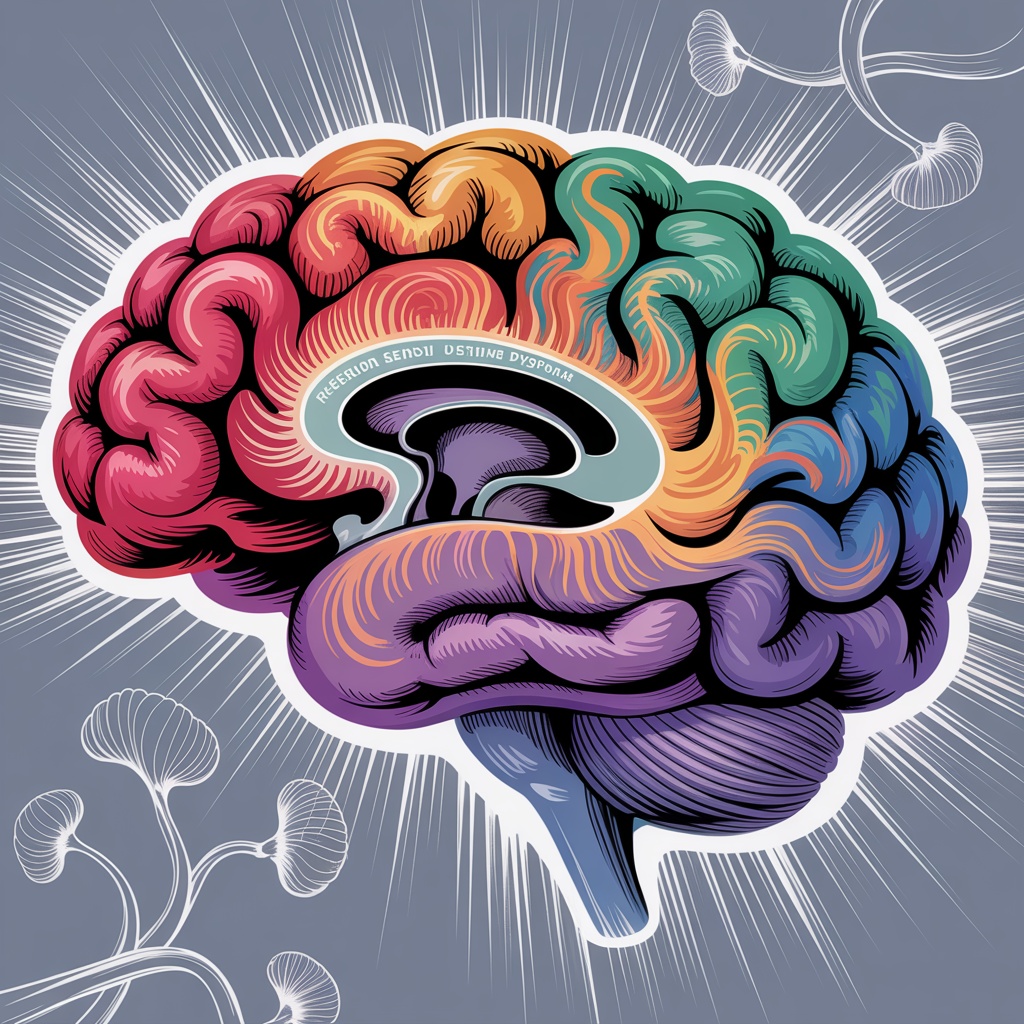
RSD is a type of extreme emotional sensitivity to perceived rejection, criticism or disapproval.
It’s not just “being sensitive.” It’s a nervous system-level reaction that feels like a full-body emotional emergency.
People with RSD might:
- Overthink small interactions
- Take even gentle feedback very personally
- Avoid situations where they might fail or be judged
- Shut down or lash out when they feel rejected
- Struggle with low self-esteem, even if they’re high achievers
RSD is especially common in people with ADHD, autism and other forms of neurodivergence.
It’s not weakness. It’s not attention-seeking.
It’s a response from a brain wired to protect itself from emotional harm.
But here’s the thing: living with RSD in a world that often misunderstands neurodivergent brains is exhausting.
That’s why relationships that feel safe, consistent and non-judgemental are not just helpful… they’re healing.
Enter: My Dog (AKA My Emotional Support System)
My dog has never rolled their eyes at me.
They’ve never sighed in disappointment.
They’ve never said, “You’re being too sensitive.”
When I cry, they sit beside me.
When I’ve messed up, they still bring me their ball.
When I come home after a rough day, they greet me like I’m the most wonderful human on the planet.
That kind of love isn’t just comforting… it’s therapeutic.
Dogs don’t measure our worth by our productivity, popularity or perfection.
They don’t care if we didn’t get the job, made a mistake or forgot someone’s birthday.
They love consistently, not conditionally.
For someone living with RSD, this matters deeply.
RSD Feels Like This…
Let me tell you a short story.
I once spent an hour writing a message to a friend. I hit send… and they didn’t reply. For a whole day. My brain went into full-on meltdown:
- “They must be upset with me.”
- “I’ve annoyed them.”
- “They hate me now.”
I couldn’t focus on anything else. My chest felt tight. My thoughts raced.
Then I looked over and there was my dog… curled up, completely relaxed, not judging me for spiralling, not trying to fix me. Just being with me.
Eventually, the message came through: “So sorry! Phone died, crazy day. I loved your message ❤️”
RSD will tell you that every delay is rejection.
Dogs remind you: not everything is personal.
Why Does This Happen?
RSD is linked to differences in emotional regulation and nervous system sensitivity.
When the brain perceives rejection… real or imagined… it can trigger:
- A rush of cortisol (stress hormone)
- Fight, flight or freeze responses
- Intense feelings of shame, fear or anger
It’s like someone pressed the “danger” button in your brain, even if nothing dangerous actually happened.
And because many neurodivergent people have experienced years of misunderstanding, criticism or “not fitting in,” the brain becomes hyper-alert to rejection signals… whether they’re real or not.
This is where canine-assisted programs shine.
How Dogs Help Heal RSD
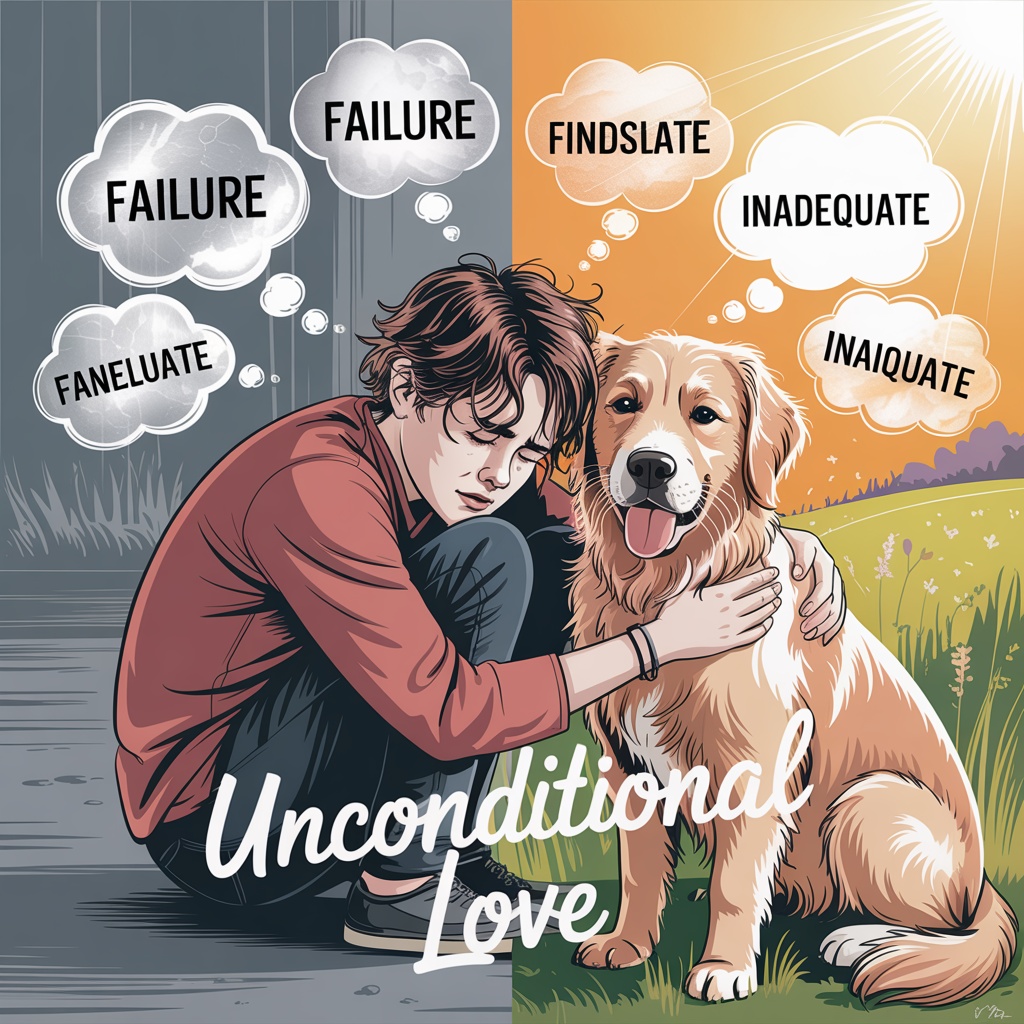
Dogs don’t care about social rules, academic achievements or how “normal” someone seems.
In our programs, we’ve seen kids and adults come in anxious, shut down or explosive… holding onto deep emotional wounds caused by rejection.
And the dog? They simply walk over. Sit beside them. Offer a nuzzle. A paw. A calming presence.
Here’s what happens next:
1. The nervous system begins to settle.
Touching or being near a dog increases oxytocin (the bonding hormone) and decreases cortisol (the stress hormone).
2. The person feels seen… but not judged.
Dogs don’t label behaviour. They respond to energy and emotion, offering acceptance no matter what.
3. A new narrative begins to form.
From “I’m too much” to “I’m enough.”
From “Everyone leaves” to “This one stays.”
That shift in self-belief is everything.
Real Talk: What This Looks Like for Kids
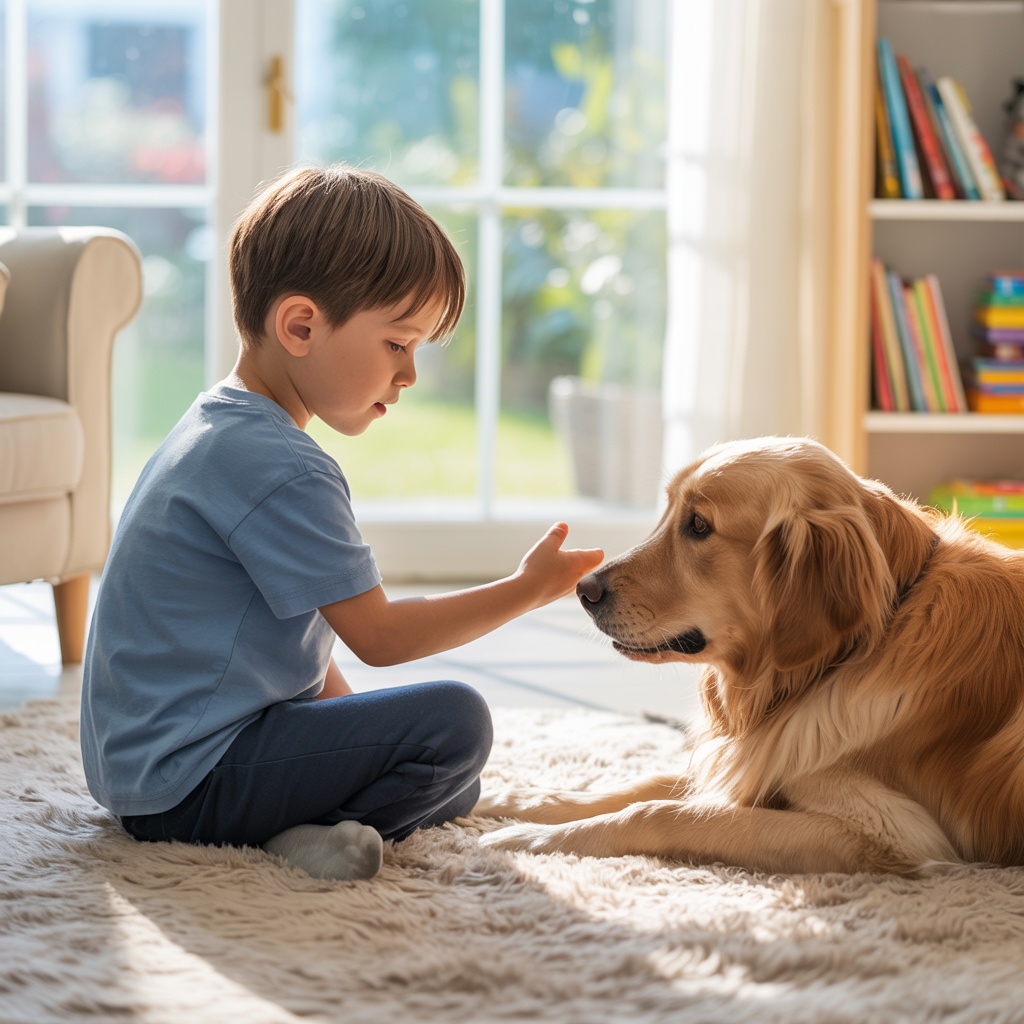
One of our participants, let’s call him Max, was 9 years old and had been suspended multiple times. He was labelled “aggressive,” “defiant,” and “disrespectful.”
In our sessions, Max was quiet… until he wasn’t. One small correction and he’d shut down or lash out.
He expected rejection.
He braced for it.
And when he sensed it might come, he acted out before it could hurt him.
But our emotional support dog? Didn’t flinch.
When Max yelled, the dog stayed.
When Max refused to speak, the dog sat beside him.
Over time, Max began to soften.
He brushed the dog’s coat. He whispered instructions. He smiled.
By week six, Max was telling the dog, “You’re my best mate.”
By week ten, he was telling himself, “I’m not bad… I just get big feelings.”
That’s the power of non-judgemental connection. That’s the magic of canine-assisted learning.
What You Can Do to Support Someone with RSD
Whether you’re a parent, teacher, friend or support worker… here are some practical tips:
1. Use soft, clear language.
Avoid sarcasm, harsh tone or vague feedback. Be kind and direct.
2. Separate the behaviour from the person.
Say: “That behaviour wasn’t okay,” instead of “You’re being bad.”
3. Validate their feelings.
Even if you don’t understand the intensity, say: “I can see that really hurt.”
4. Create safe, predictable routines.
Consistency builds trust.
5. Offer co-regulation.
Stay calm when they can’t. Be the “steady heartbeat” in the room.
And if you can… bring in a dog. Emotional support dogs are more than just cute companions… they’re bridges to healing.
Why My Dog Is My Mirror (and My Healer)
When I look at my dog, I see the kind of support I wish every person with RSD could experience:
- Immediate trust
- No judgement
- Consistent presence
- Love, just because you exist
In a world that tells us we’re “too sensitive,” dogs tell us:
“You’re just right.”
In a world that says, “Toughen up,” dogs say:
“Come sit with me.”
And sometimes, that’s all we need.
Final Paw-spective
Rejection Sensitive Dysphoria is real, painful and often invisible.
But it doesn’t have to define you.
With the right support… especially the non-verbal, deeply intuitive kind that dogs offer… you can begin to rewrite your story.
From fear of rejection…
To confidence in connection.
From shame and spirals…
To safety and self-worth.
My dog doesn’t judge me. And neither should you.
Let’s build a world where no one has to earn love. Where compassion comes before correction.
And where everyone… no matter how sensitive… knows they belong.
Want to learn more about how canine-assisted learning can support kids and adults with RSD, ADHD or emotional regulation challenges?
Reach out to your local Paws 4 Change licensee and discover how our programs help build confidence, trust and resilience… one paw at a time. 🐾