

Let’s set the scene: You come home after a long, stressful day. Your to-do list is still too long. The dishes are still in the sink. And your favourite shoe? Well, it’s now “customised” by your emotional support dog’s teeth.
You sigh… but then you look down at that goofy, tail-wagging face. Suddenly, you’re smiling.
What just happened?
Believe it or not, you’ve just had a hormonal reset… and no, not the grumpy kind. We’re talking about happy hormones… those clever little chemicals in your brain that help you feel connected, calm and okay in a world that often feels anything but.
In this post, we’ll dig into the science of happy hormones (without making it boring), how dogs supercharge them and how you can create more of these feel-good moments in everyday life.
Meet the Happy Hormones: Your Brain’s Natural Mood Boosters

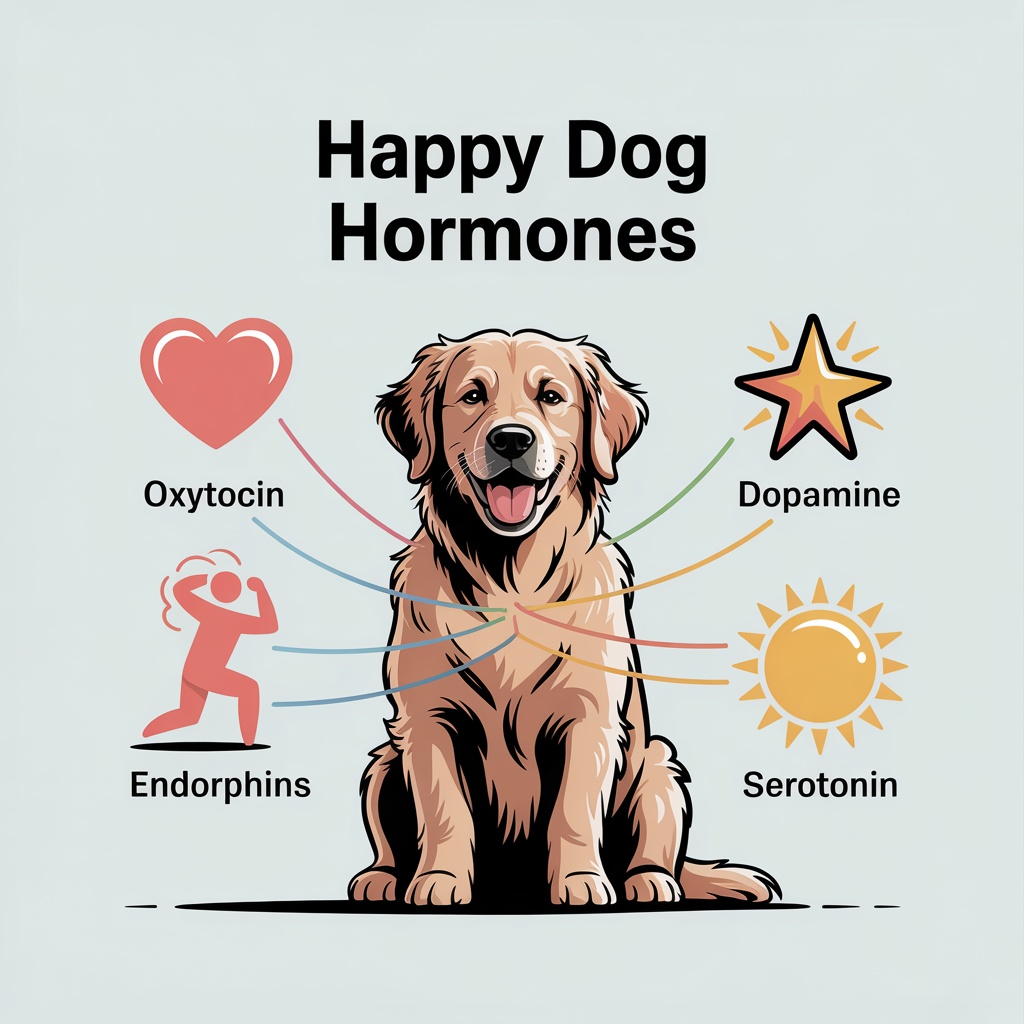
Your body produces dozens of chemicals every day, but four are especially famous for improving your emotional wellbeing. Meet the DOSE crew:
- Dopamine – The “achievement” hormone
- Oxytocin – The “cuddle” hormone
- Serotonin – The “confidence” hormone
- Endorphins – The “pain relief and giggles” hormone
These chemicals help regulate your mood, sleep, energy, focus and even your immune system. They’re nature’s built-in wellbeing toolkit.
Let’s unpack each one… with help from your four-legged friend.
Oxytocin: The Cuddle Chemical You Didn’t Know You Were Missing

Oxytocin is like a warm blanket for your nervous system. It’s released during cuddles, eye contact and emotional bonding.
And guess what?
Looking into your dog’s eyes or gently patting their fur releases oxytocin for both of you. Studies show that dogs and humans experience a mutual oxytocin boost during positive interactions. This helps lower your heart rate, reduce anxiety and build feelings of safety and connection.
Analogy time:
Oxytocin is like Wi-Fi for the heart. It helps you feel connected, even when everything else feels disconnected.
🦴 Dog example: Ever had a bad day, only to have your fur baby curl up beside you with their head on your knee? That’s oxytocin in action. And it’s powerful.
Adrenaline: The “Oh No, the Shoe’s Gone!” Hormone
Okay, so adrenaline isn’t part of the happy hormone crew… but we can’t leave it out.
Adrenaline is your stress hormone. It gets your body ready to fight, flee or freeze when something feels threatening.
Useful in emergencies. Not so helpful when you’re just trying to find matching socks.
The problem?
Many of us are running on adrenaline all the time… rushed mornings, sensory overload, work demands, social pressure, you name it. Especially for neurodivergent individuals, the “threat radar” stays on high alert, even when nothing is actually dangerous.
The solution?
We need to balance the adrenaline rush with calming chemicals… like oxytocin, endorphins and serotonin.
And yes… dogs help with that too.
Endorphins: Nature’s Stress-Busters
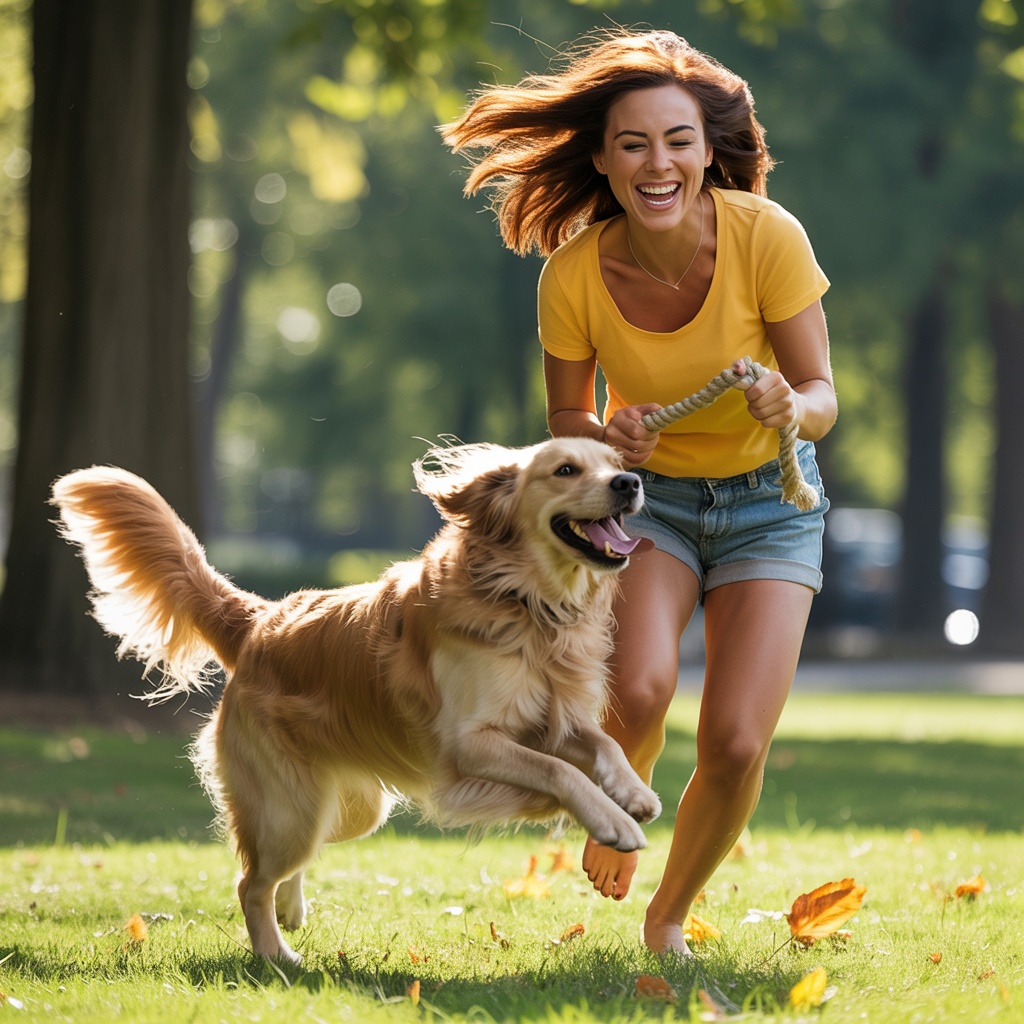
Endorphins are released through movement, laughter and touch. They work like natural painkillers… and mood boosters.
Have you ever played tug-of-war with your dog and found yourself laughing even though you were stressed five minutes ago? That’s endorphins at work.
They reduce the intensity of physical and emotional pain and make hard things feel a little more manageable.
🦴 Dog example: A walk in nature with your furry friend? That’s an endorphin party. Especially if they do something ridiculous like chase their own tail.
Dopamine: The Achievement High
Dopamine gets a lot of attention… it’s the “reward” chemical. It gives you that little rush when you tick something off your to-do list or finally figure out where the missing sock went.
Dopamine loves progress. It motivates you to start things, keep going and feel good about the small wins.
🦴 Dog example: Teaching your pup a new trick and watching them nail it? Dopamine for both of you. Same goes for your own goals… setting small, achievable steps helps your brain release dopamine along the way.
Pro tip: Don’t wait for big milestones. Celebrate the small stuff. Dopamine likes breadcrumbs.
Serotonin: Sunshine for Your Mood

Serotonin is a mood stabiliser. It helps regulate sleep, digestion, memory and emotional balance. Low serotonin is linked with anxiety, depression and low self-esteem.
Sunlight, nature, movement and feeling respected or connected all help increase serotonin levels.
🦴 Dog example: Sitting quietly in the park with your dog in your lap, sun on your skin, breeze on your face. You’re not doing anything… but your brain is soaking up serotonin like a sponge.
Why Dogs Are Basically Walking Hormone Boosters
Let’s connect the dots.
Interacting with emotional support dogs can:
- Reduce cortisol and adrenaline (stress hormones)
- Increase oxytocin (bonding and calm)
- Encourage movement (endorphins)
- Support routine and achievement (dopamine)
- Promote social connection and nature time (serotonin)
In other words? Dogs are four-legged hormone balancers.
And when emotional wellness starts in the body (through balanced hormones), it’s easier to build:
- Self-regulation
- Resilience
- Empathy
- Focus
- Confidence
This matters so much… especially for kids, teens and neurodivergent individuals who are navigating complex emotional worlds.
Happy Hormone Booster Cheat Sheet: Try These at Home
Here are easy, dog-friendly ways to boost your happy hormones… without needing a science degree.
| Hormone | What It Does | Dog-Friendly Boosters |
|---|---|---|
| Oxytocin | Bonding, calm, safety | Eye contact with your dog, cuddles, gentle brushing, quiet time together |
| Dopamine | Motivation, reward | Teach a new trick, celebrate small wins (“sit” deserves a cheer!) |
| Endorphins | Natural pain relief, stress relief | Play tug-of-war, go for a walk, laugh at their silly antics |
| Serotonin | Mood balance, sleep, wellbeing | Time in the sun, walking in nature, calm routines with your dog |
| Adrenaline (to reduce it) | Fight/flight response | Deep breathing beside your dog, quiet stroking, low-stimulation play |
Emotional Wellness: It’s Not Just in Your Head
We often think of emotional wellbeing as “just talk therapy” or “positive thinking.” But the truth is… emotions live in the body first.
When your body is flooded with adrenaline or low on serotonin, it’s hard to think clearly, stay calm or feel connected. That’s not a character flaw… it’s a chemical reality.
The good news? You can shift your emotional state by supporting your body and brain with small, consistent habits.
And dogs? They’re natural experts at helping you do just that.
The Chewed Shoe Reminder
Let’s go back to the start.
Yes, your shoe got chewed. Yes, life feels like a lot right now. But take a breath. Look down at that goofy face. Feel the warmth, the tail wag, the quiet companionship.
That moment is a hormonal rebalancing act. You’ve just activated oxytocin, lowered your adrenaline and created space for calm. Your brain feels it. Your body feels it. And your heart? It remembers:
You are safe. You are connected. You are okay.
Want More Paw-sitive Support?
If you’re curious about how emotional support dogs can improve mental wellness in your home, school or community, reach out to your local Paws 4 Change licensee. Our canine-assisted learning programs are built to help kids and adults regulate, reconnect and rediscover joy… one wag at a time.
Because sometimes, emotional healing starts not with a therapy session…
…but with a chewed shoe and a lick on the nose. 🐾